Kanata Opticians.
Redesigned brand identity and website for Kanata Opticians, focusing on accessibility, clarity, and a cohesive, approachable visual system.
Summary.
Many optometry brands rely on literal eye motifs or clinical visuals, which can feel cold or hard to read. For Kanata Opticians, accessibility and clarity are essential — everything from signage to digital touch points needs to be easy to see and understand. I wanted to explore how a modern, approachable, and user friendly identity could make the brand feel professional, trustworthy, and visually clear. This rebrand concept focuses on legibility, hierarchy, and consistency while keeping the experience welcoming for every user. By redesigning the logo, typography, and visual system, I aimed to create a cohesive identity that feels timeless and clear.
Challenge.
I chose Kanata Opticians for this fictional case study because their branding presented an opportunity to explore accessibility in a real world context. As an optometry practice, legibility is everything — signage, websites, and visual communication need to be crystal clear. My goal was to imagine how a modern, user friendly identity could look, balancing professionalism with approachability, and ensuring every touchpoint communicates confidence and clarity.
Understanding.
I dug into target market research and scoped out local and national optometry brands to see how Kanata Opticians could stand out. Many relied on literal eye motifs or overly clinical visuals, which didn’t feel very approachable. I wanted a direction that was modern and human centered.
Accessibility was front and center. I looked at font legibility and colour contrast to make sure the brand would work for people with all levels of vision. These insights guided every design choice — from the logo, typography, and colour palette.
Key Insights
Primary audience: local individuals and families in Kanata/Ottawa seeking reliable, quality eyewear
Secondary audience: professionals looking for stylish, premium eyewear that balances function and aesthetics
Age range: 30 – 65, all genders, with varied education and income levels
Values: health, convenience, style, and high quality eyewear

Old logo
Ideation.
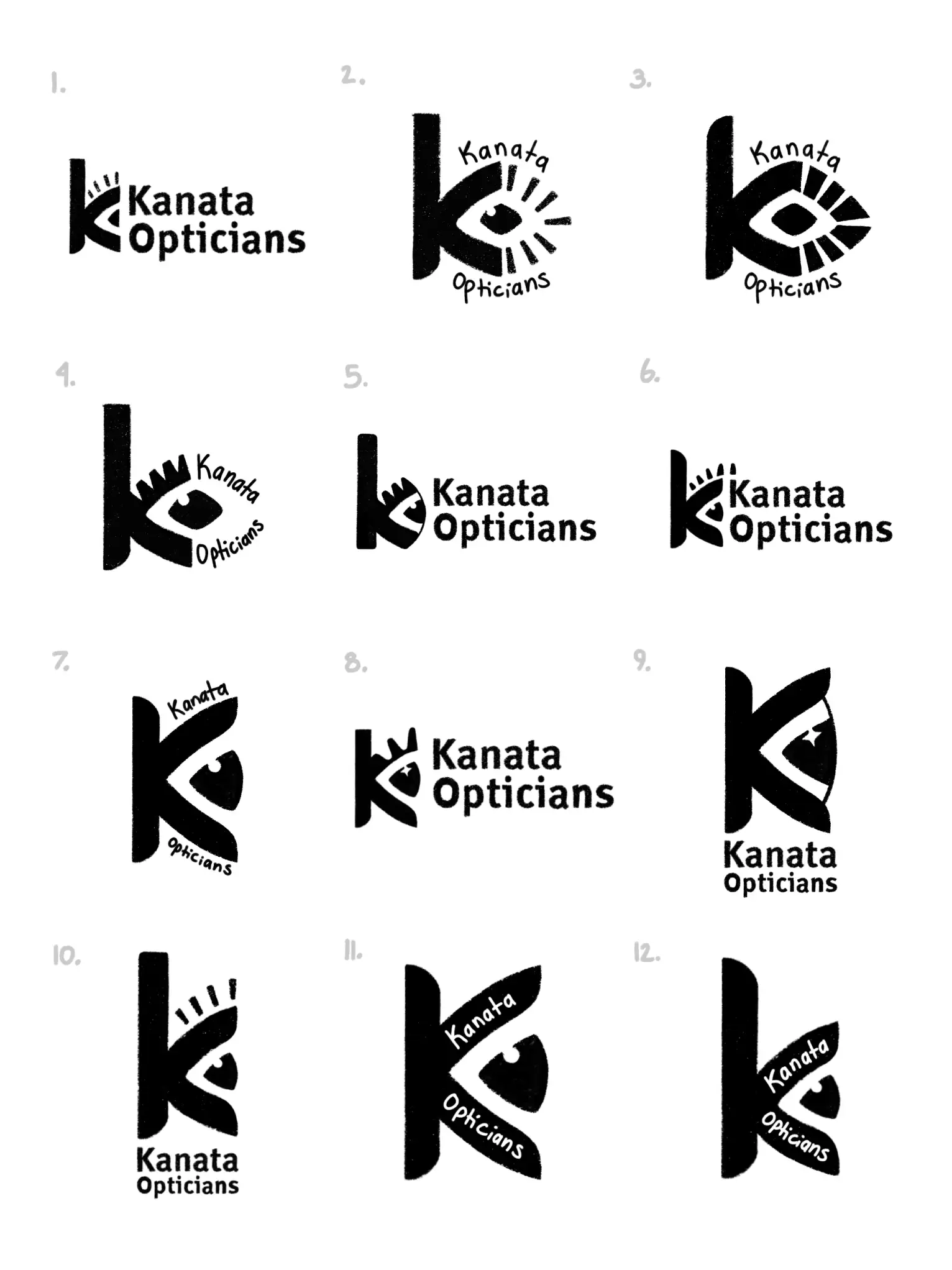
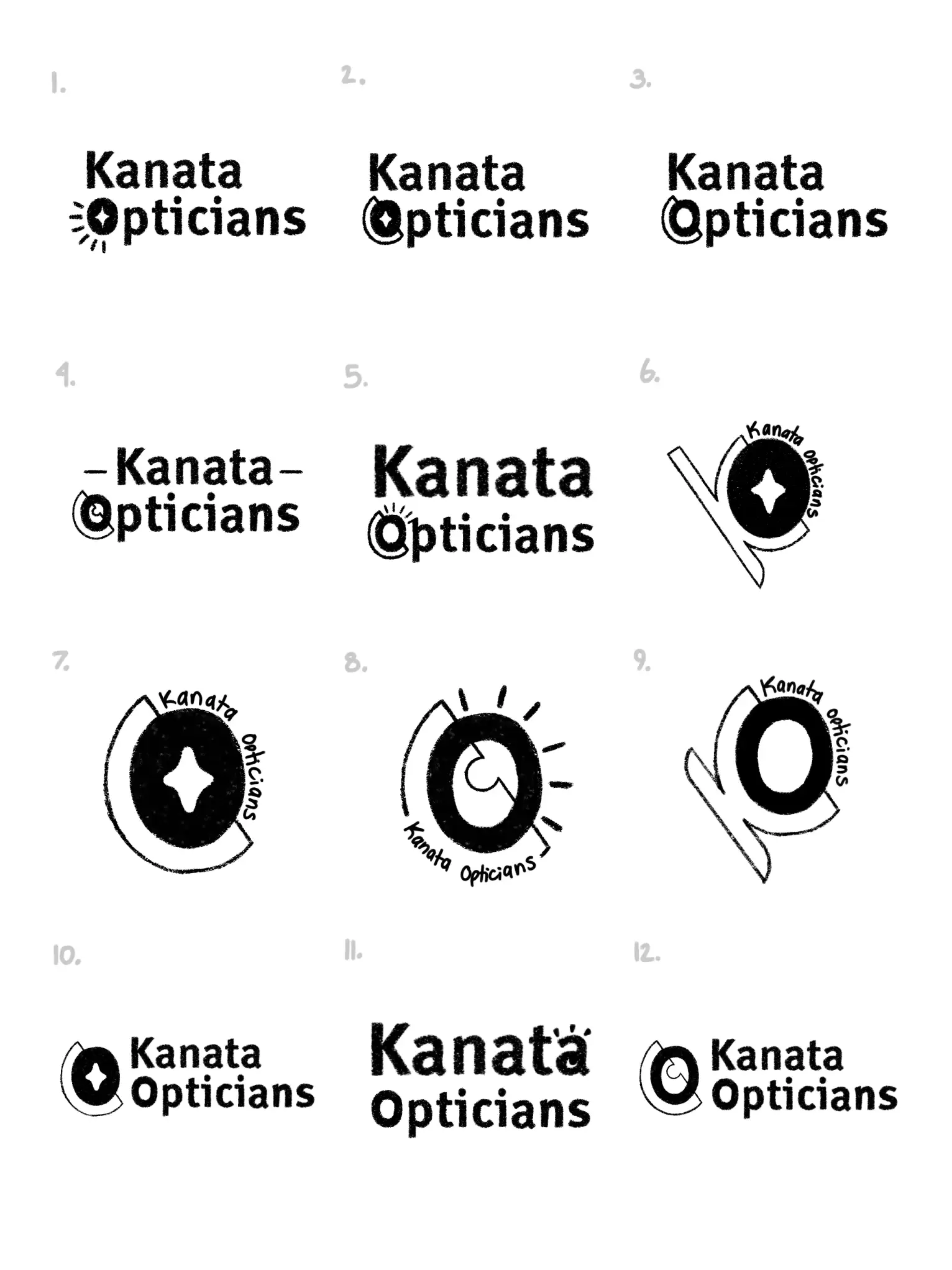
I began with around 30 rough sketches exploring geometric lenses, abstract frames, and minimal letterforms. From there, I narrowed it down to two distinct concepts and refined them further. The main challenge was designing something recognizable for an optician without relying on literal symbols.
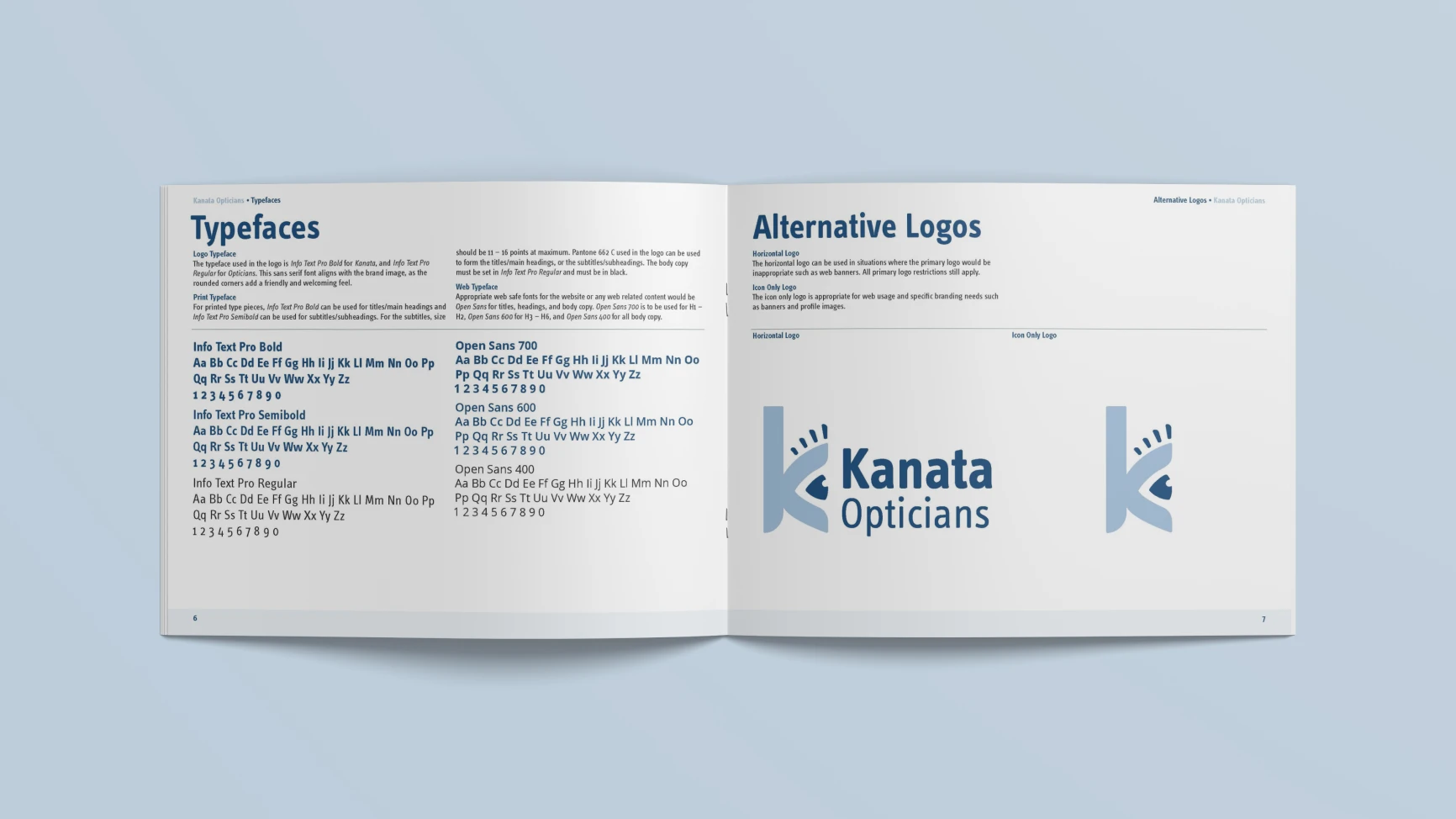
The supporting typography system followed the same logic: high x-heights, strong contrast, and calm hierarchy. Each element was designed to guide the eye comfortably, reinforcing the idea of “clear vision” through design.

Sample of concept 1 explorations

Sample of concept 2 explorations
Final Logo.
For the fictional rebrand, I developed two logo concepts — one a modern symbol inspired by the letter K, and one more abstract. I ultimately chose the K symbol logo for its clean, modern, and friendly feel. Simple shapes and generous spacing make it legible at any size.
The typography followed the same logic: high x-height, bold, with rounded edges for added approachability. Every choice was made to guide the eye naturally and give the brand a precise yet welcoming presence.

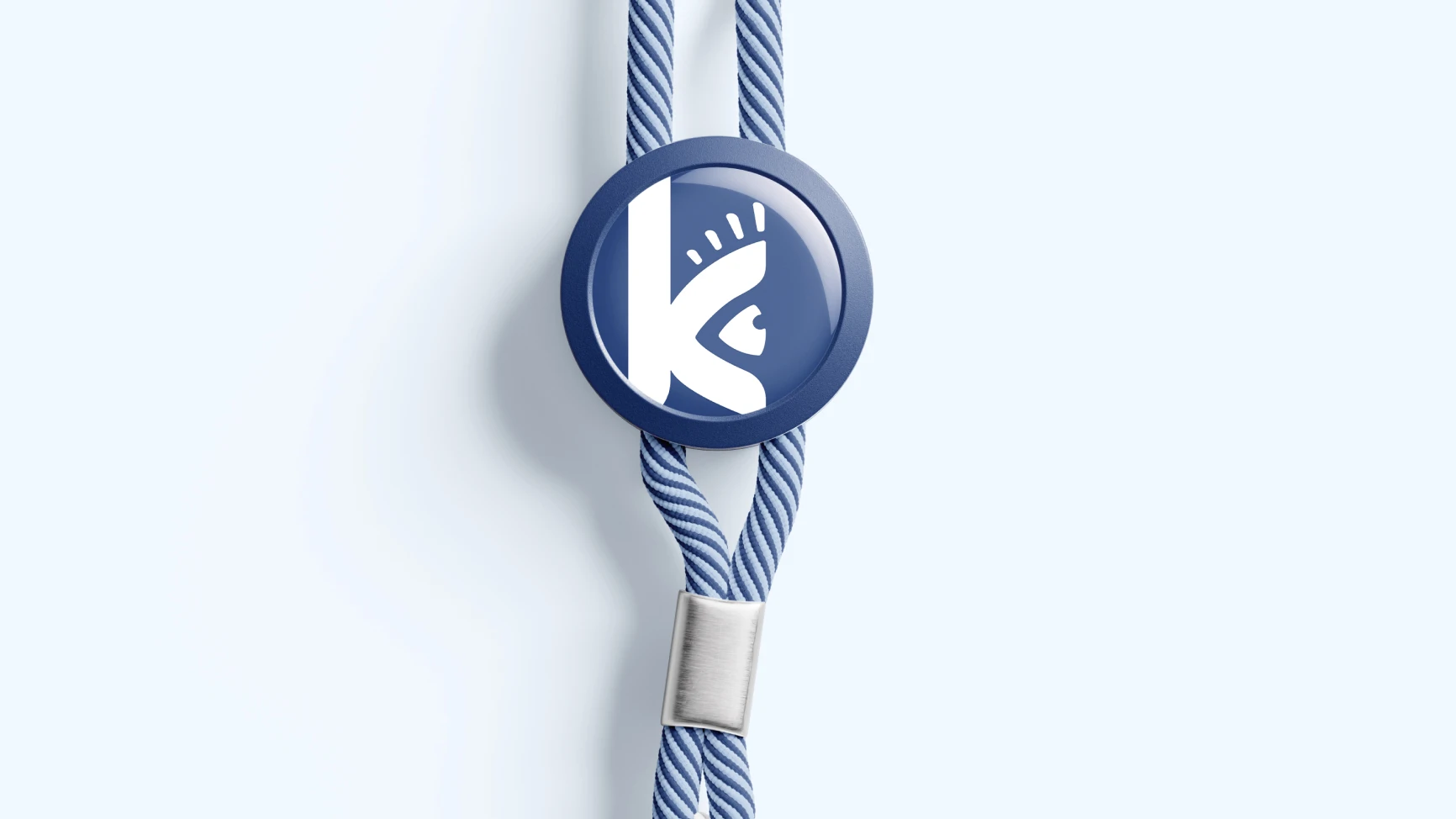
Final logo design
Branding Guide.
I refined the palette around the original brand’s blues, and adding charcoal in place of black to create a calm, professional tone. The wordmark balances precision with warmth through gentle curves and generous spacing.
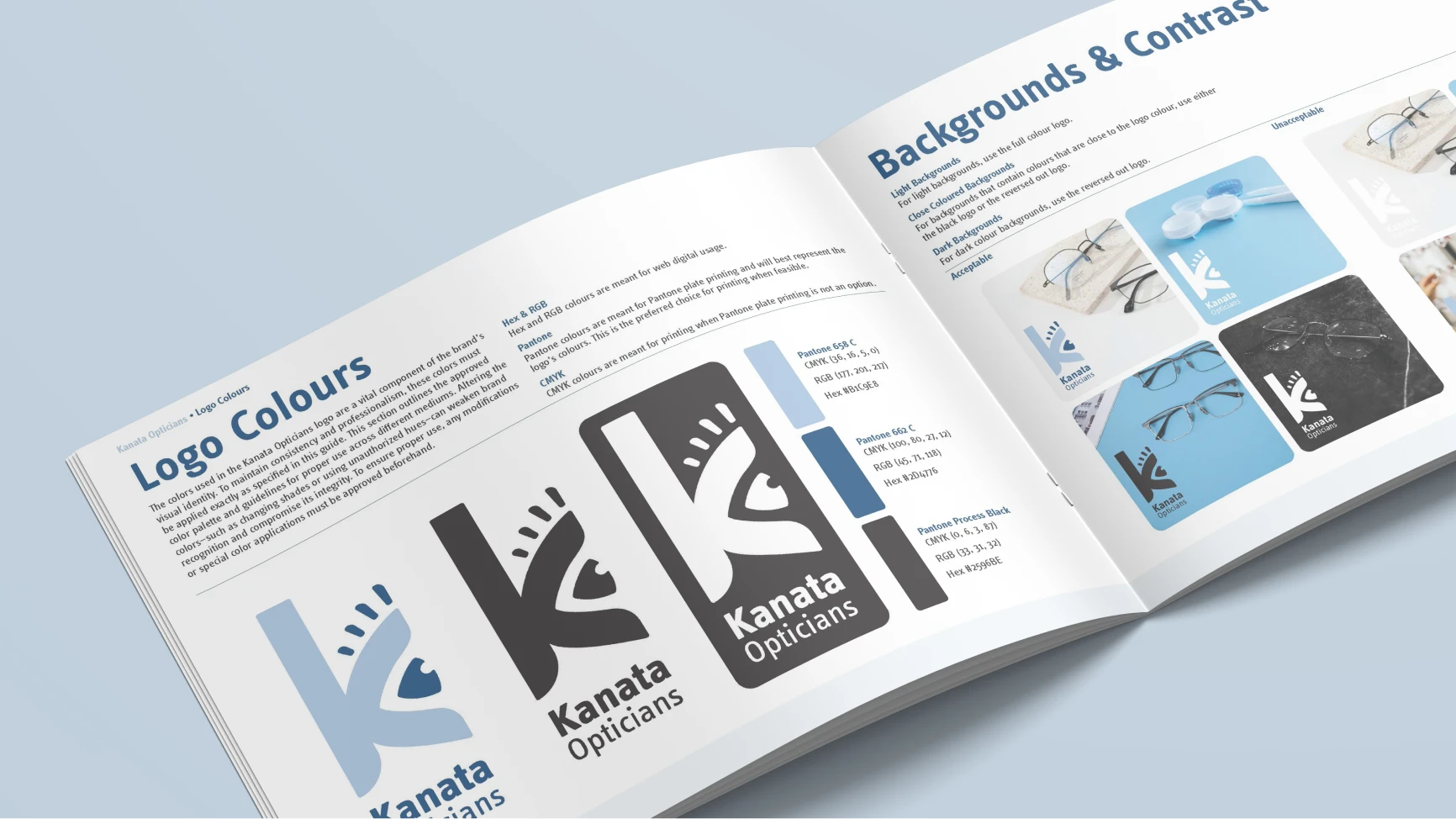
I extended the identity into a detailed brand guide booklet that outlines proper and improper applications of the various brand elements.

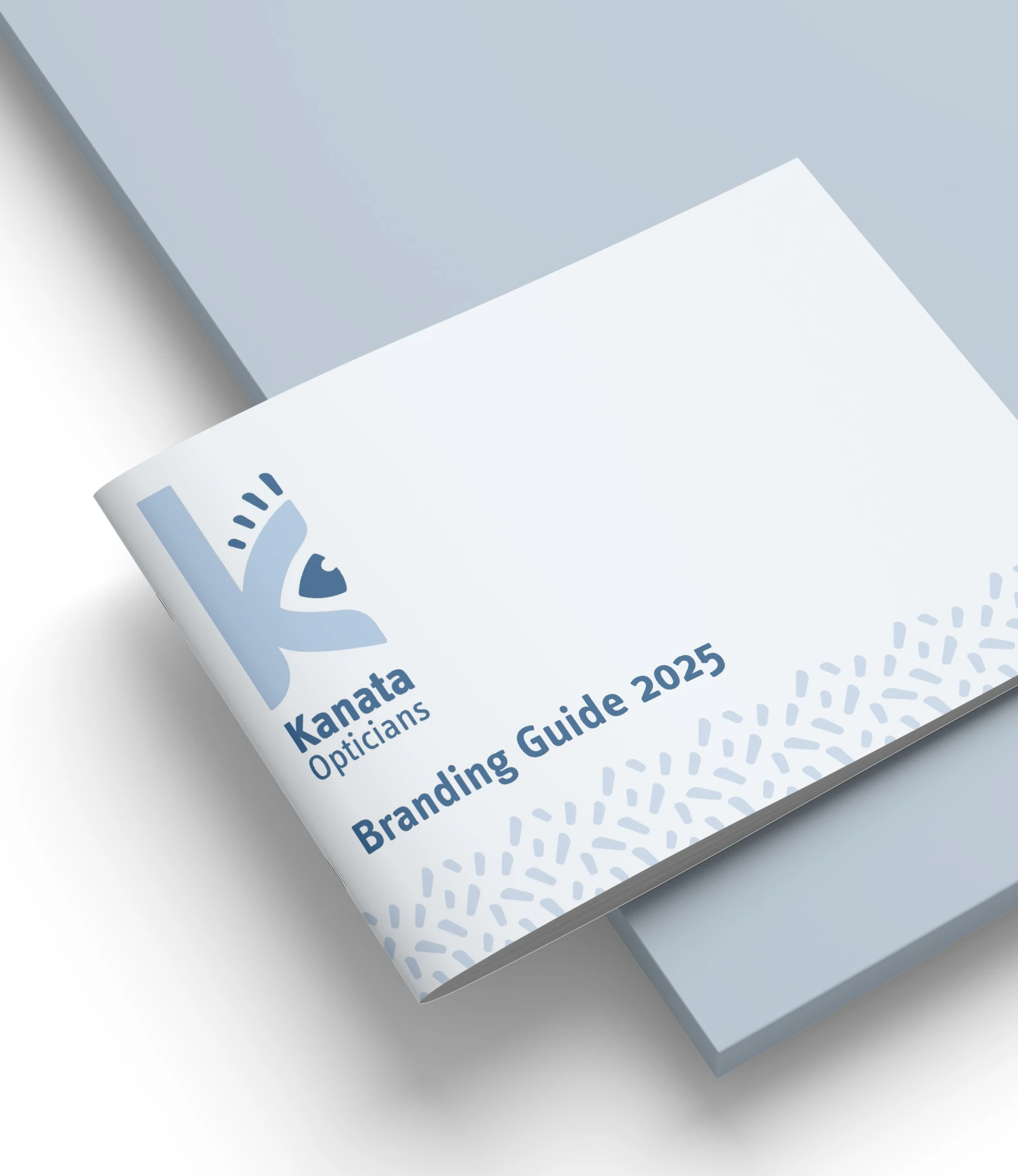
Branding guide title page

Branding guide typefaces & alternative logos page

Branding guide logo colours & contrast page
Website Redesign.
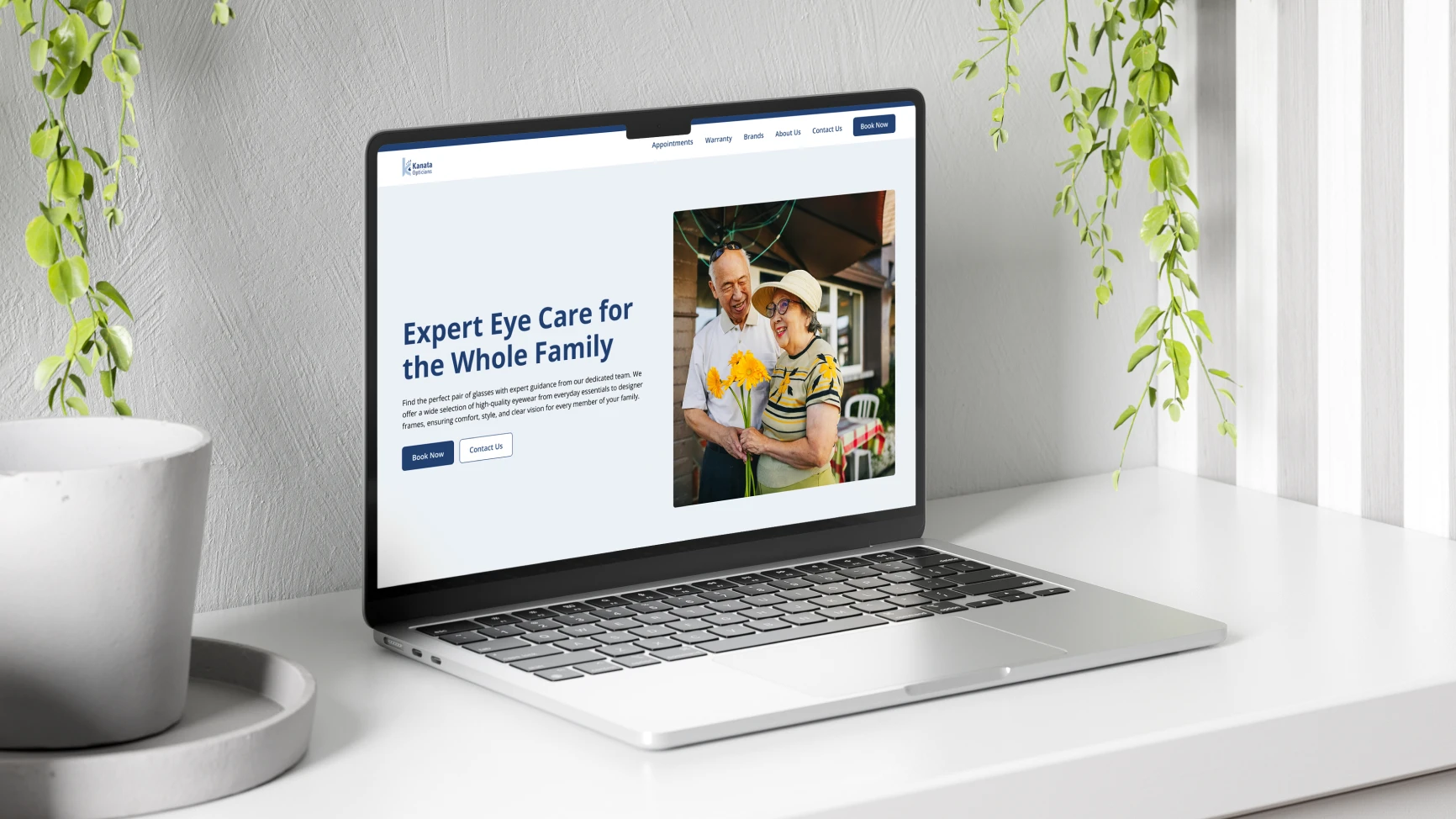
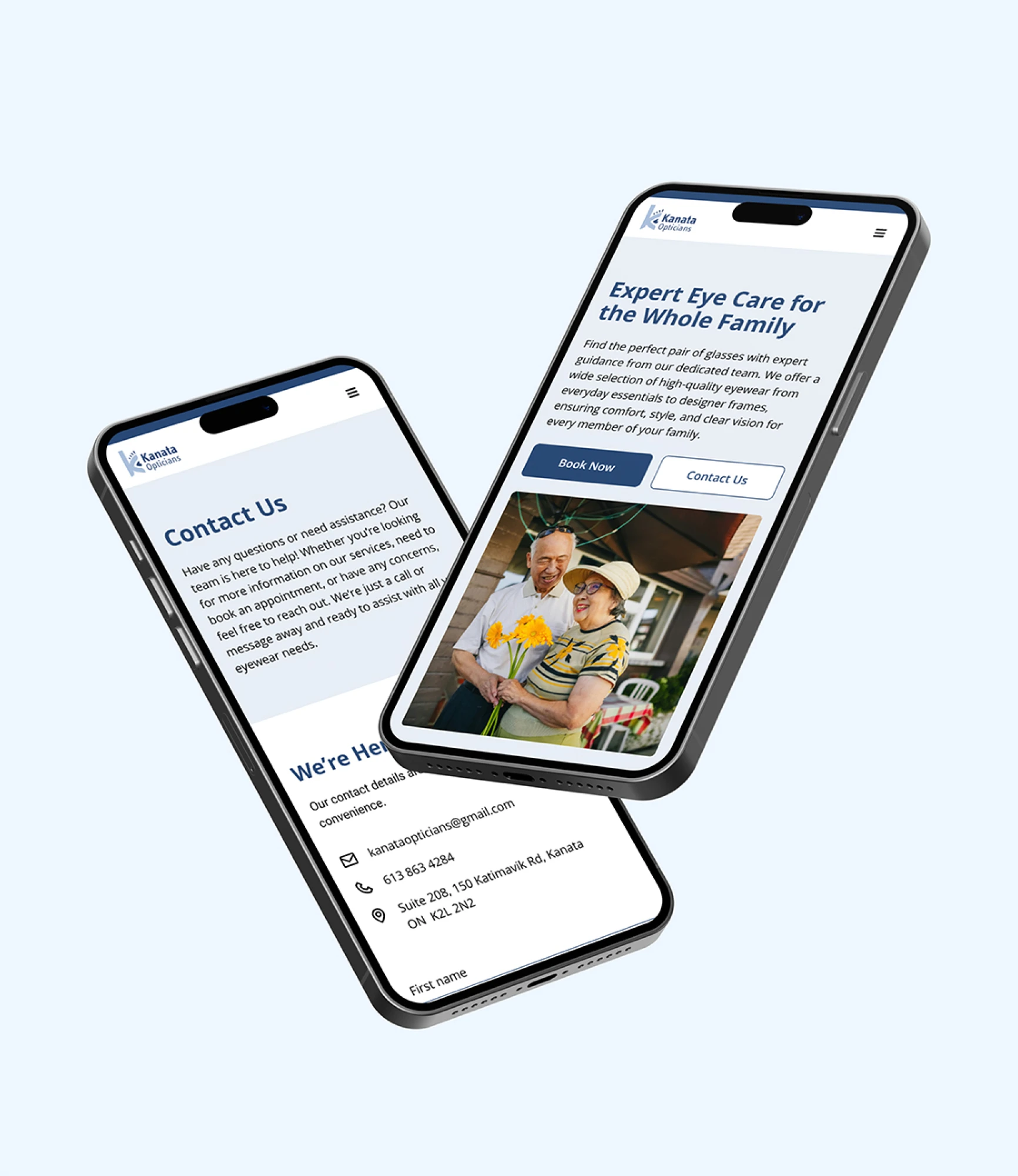
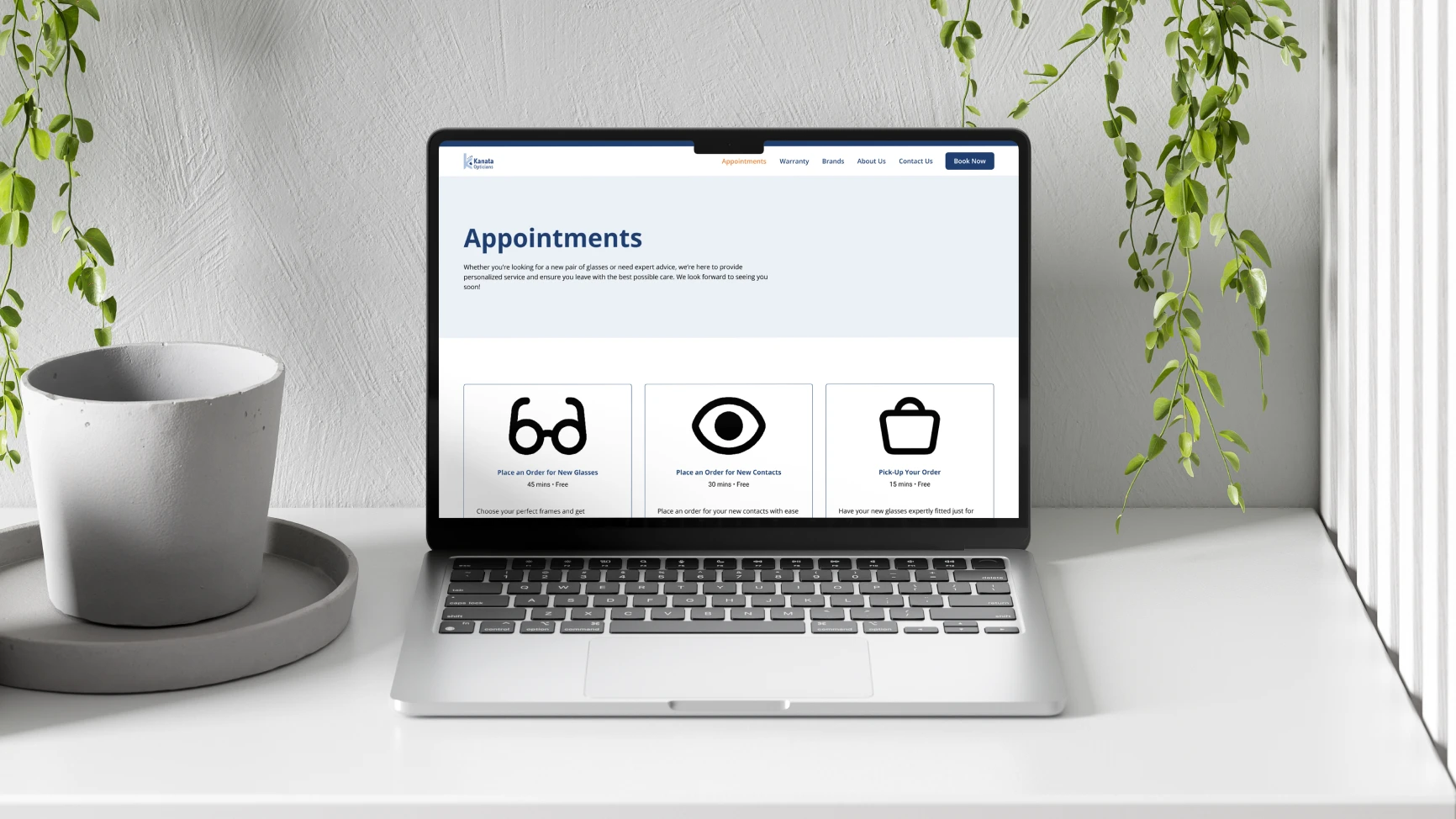
The new website design emphasizes simplicity, readability, and flow, using large type and clear hierarchy. Built in Figma and translated into Webflow, it brings the visual system to life across digital applications while keeping user experience top of mind.

Desktop home page

Desktop appointments page

Mobile contact & home page
Final Result.
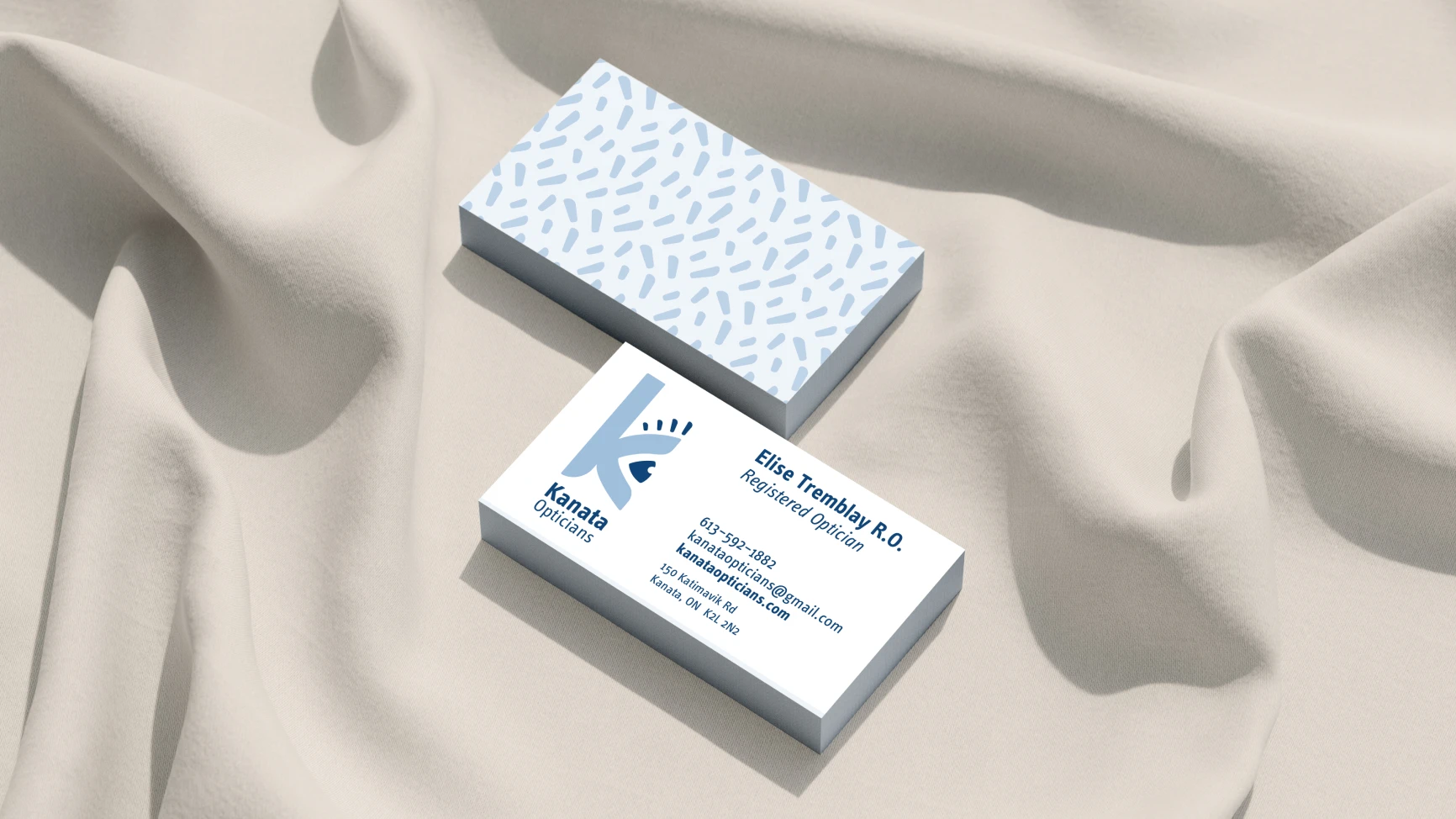
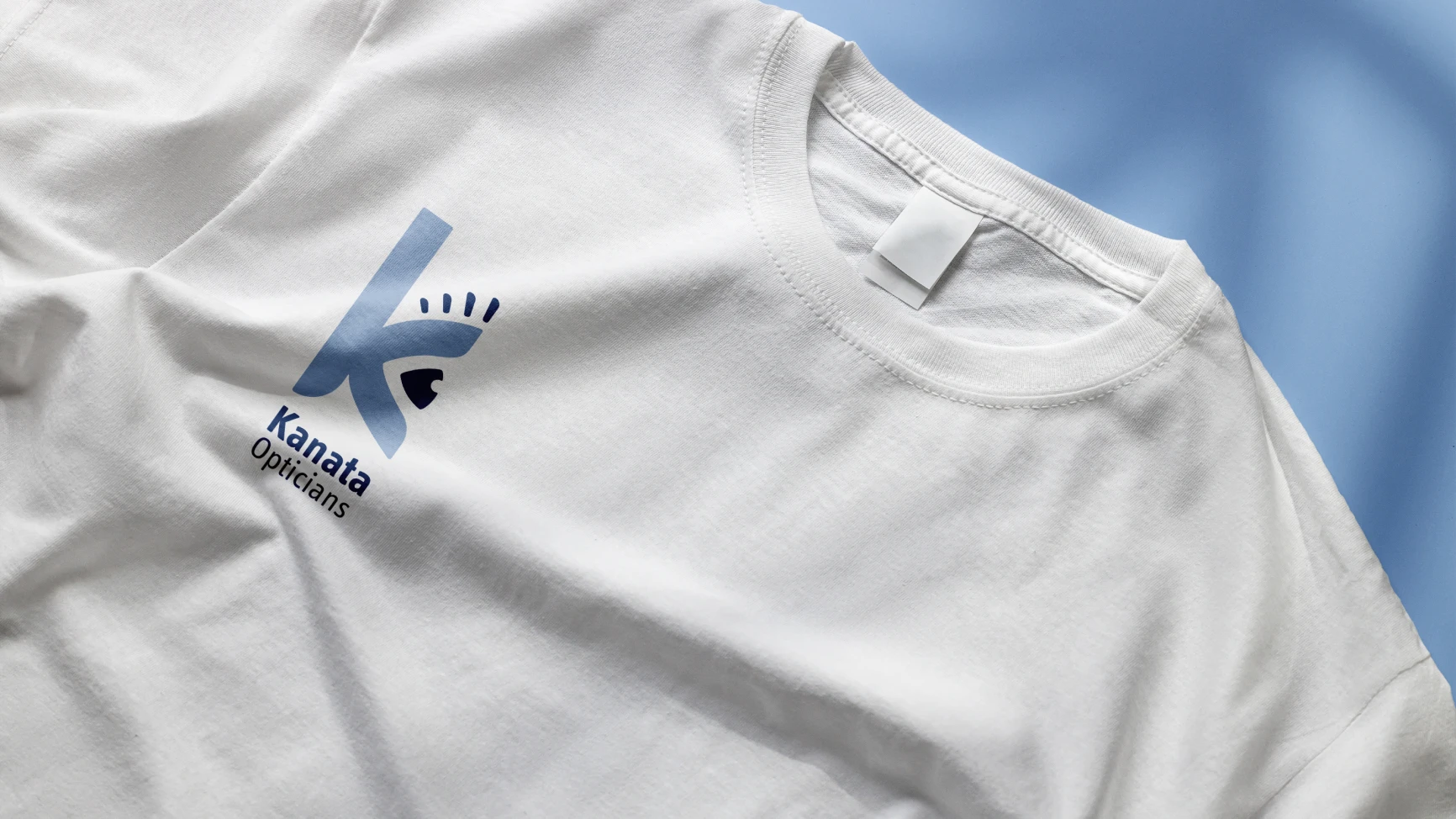
The rebrand concept resulted in a cohesive visual system that works seamlessly across print and digital. Every element — from typography to spacing to colour — was designed to feel approachable, consistent, and trustworthy.
Even though the project is conceptual, peer and instructor feedback highlighted the logo’s balance of simplicity and strength, and the website’s clear hierarchy. The final concept shows how thoughtful, user first driven design can make a brand both functional and visually memorable.
Teachings.
Working on this rebrand deepened my understanding of accessibility as a core part of visual communication. I learned how thoughtful contrast, hierarchy, and type choices help users navigate information effortlessly. It also taught me the value of balancing precision with warmth — creating a visual identity that feels both professional and genuinely welcoming.
Reflection.
If I were to revisit this project, I’d love to extend the system into in store applications like signage or packaging. This project reminded me how accessibility can drive not just usability but also the aesthetics of a brand — proving that clear, inclusive design is always timeless.